Gradient of Grain
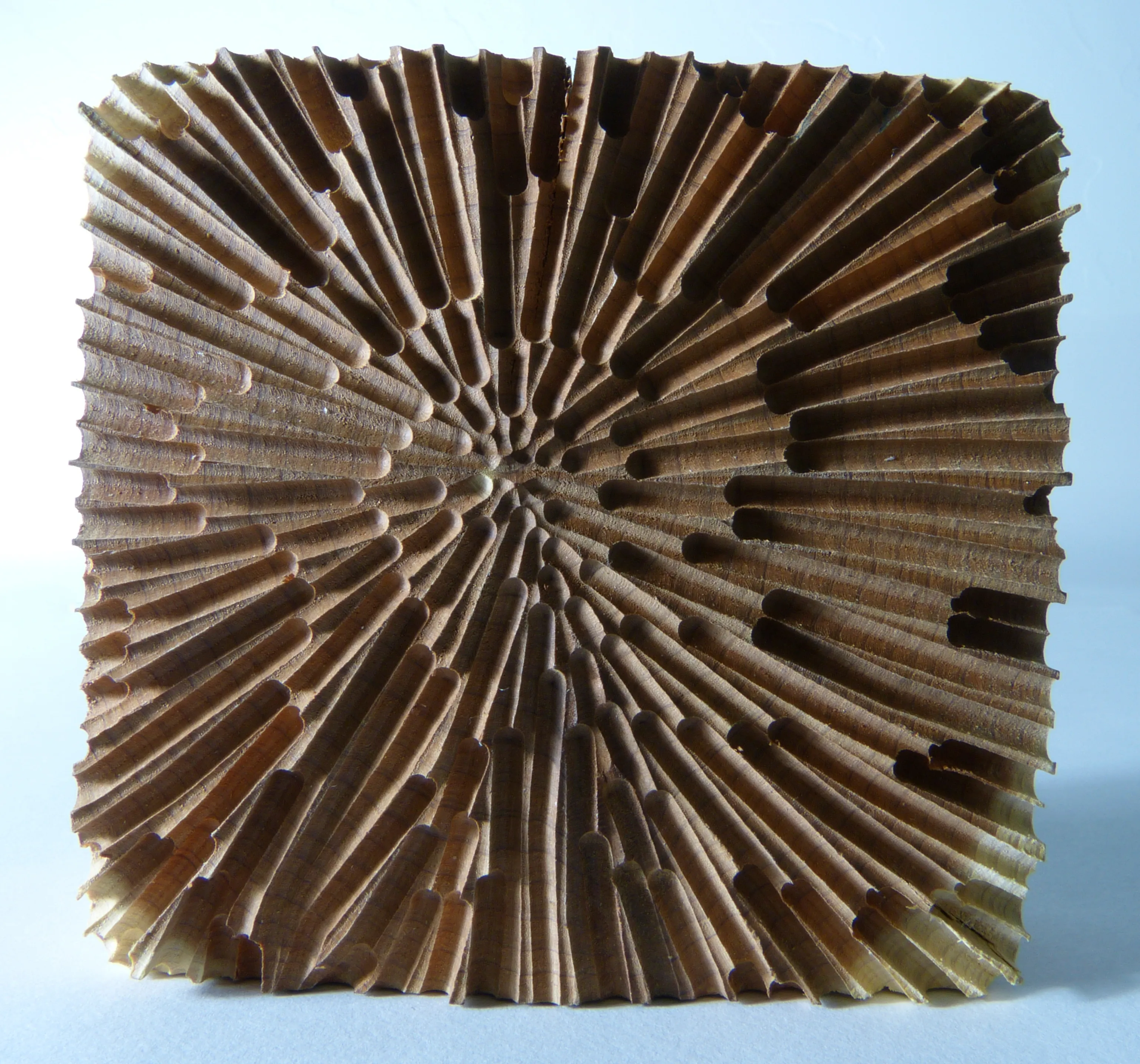
Carving gradient paths into the grain of a piece of wood. Featured in the New York Times (October 2025).
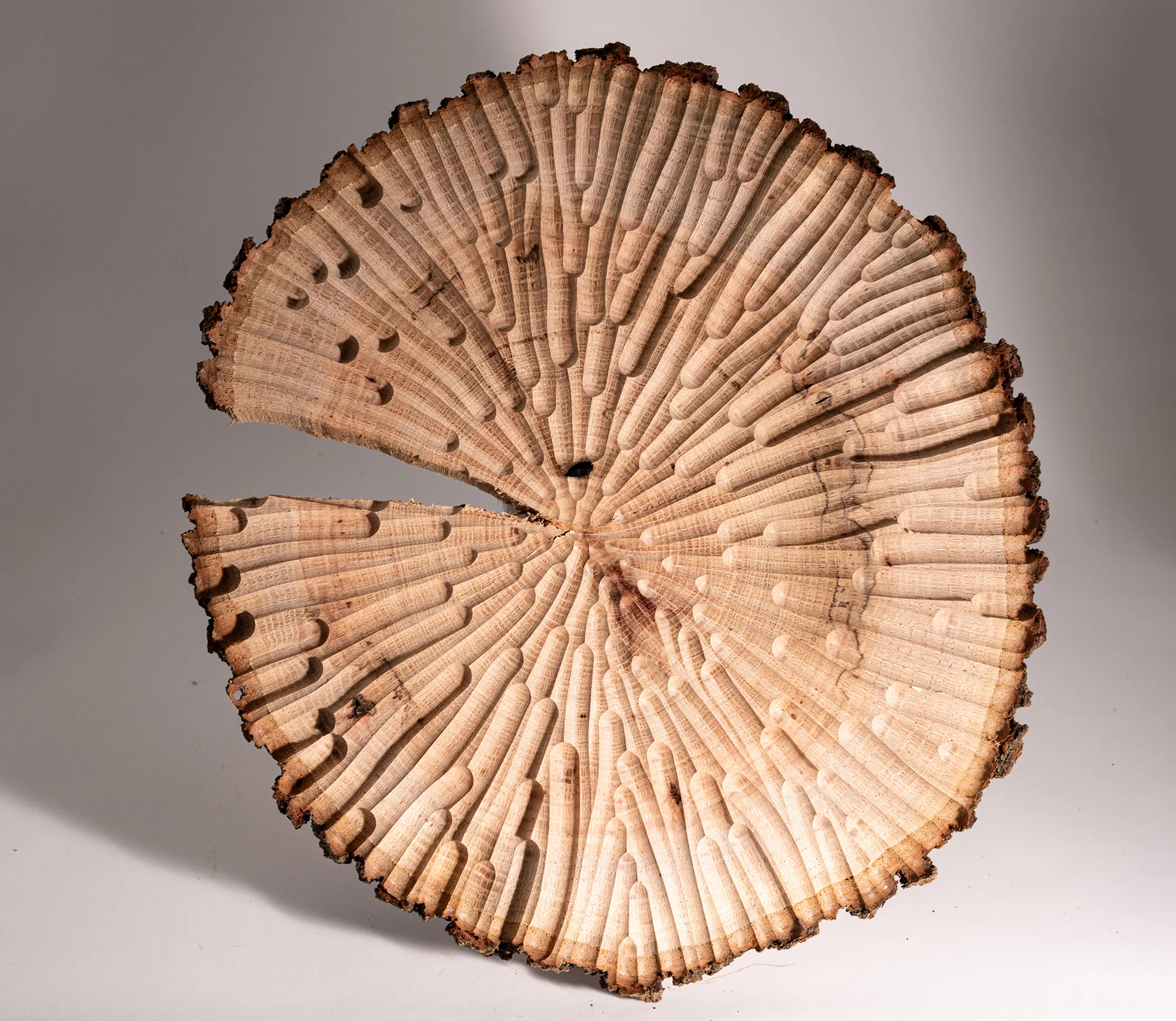
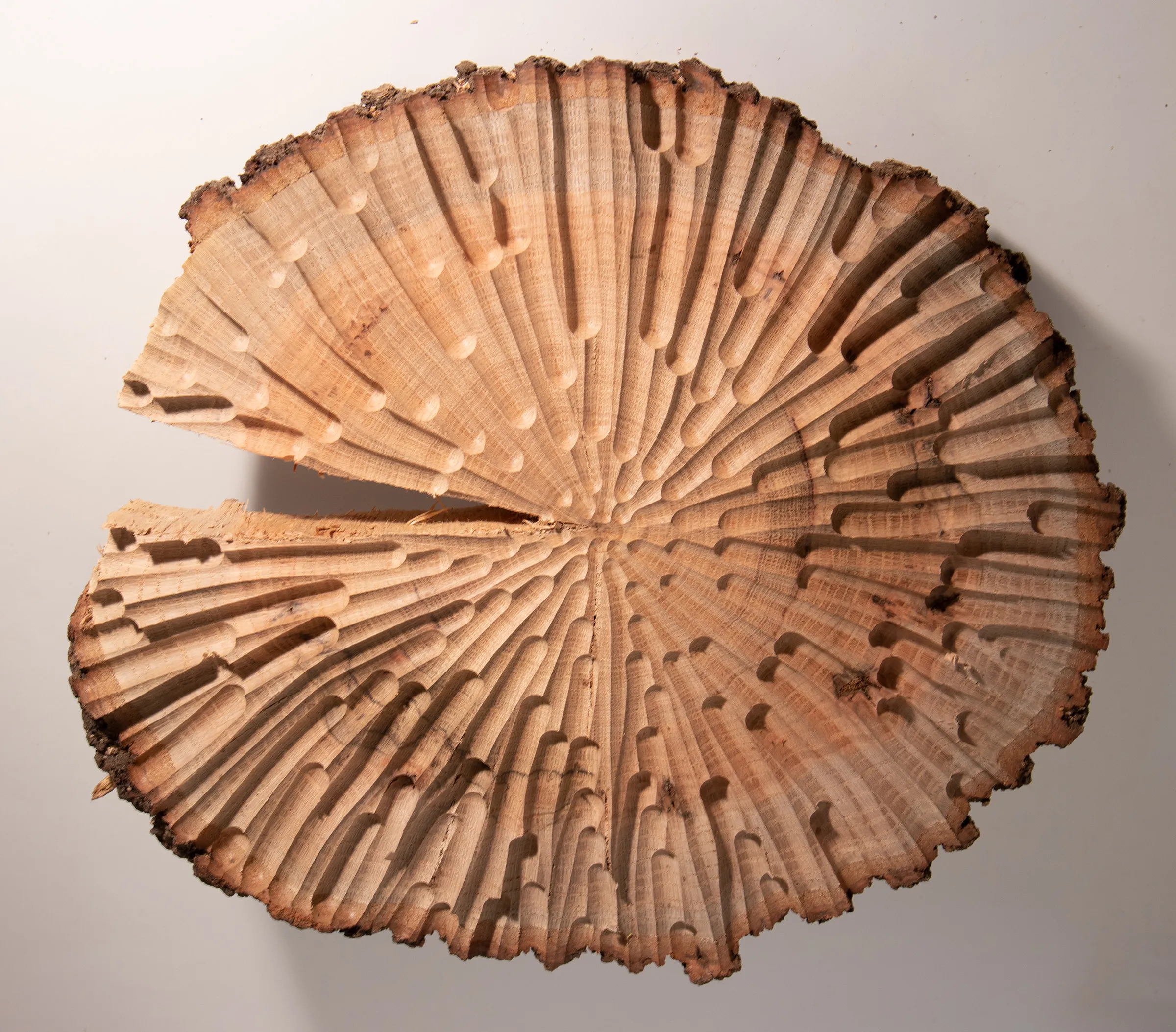
When I am making geometric artworks I love to use wood, it is such a rich material. The patterning in the grain talks back in interesting ways to the geometry. Yet the geometry feels a little imposed. Wood has its own geometry, the grain surfaces that show its history, season by season. I wanted to work with that have my geometry be in full conversation with the grain. This piece is the first result of that thinking.
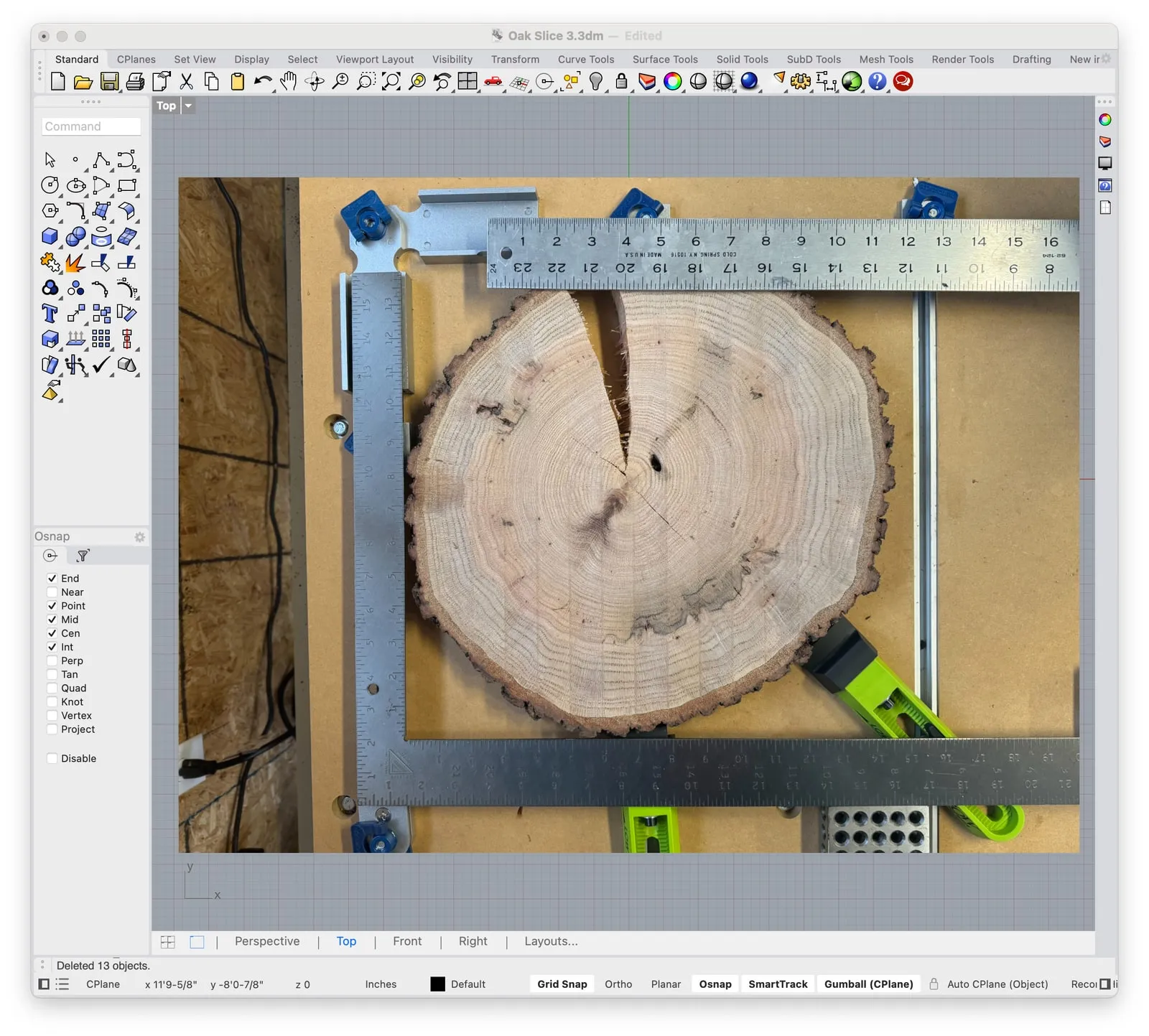
A cross-section of oak is placed in the CNC router and photographed in position. The image is brought into Rhino and registered against physical rulers so the digital and physical coordinate systems align exactly.
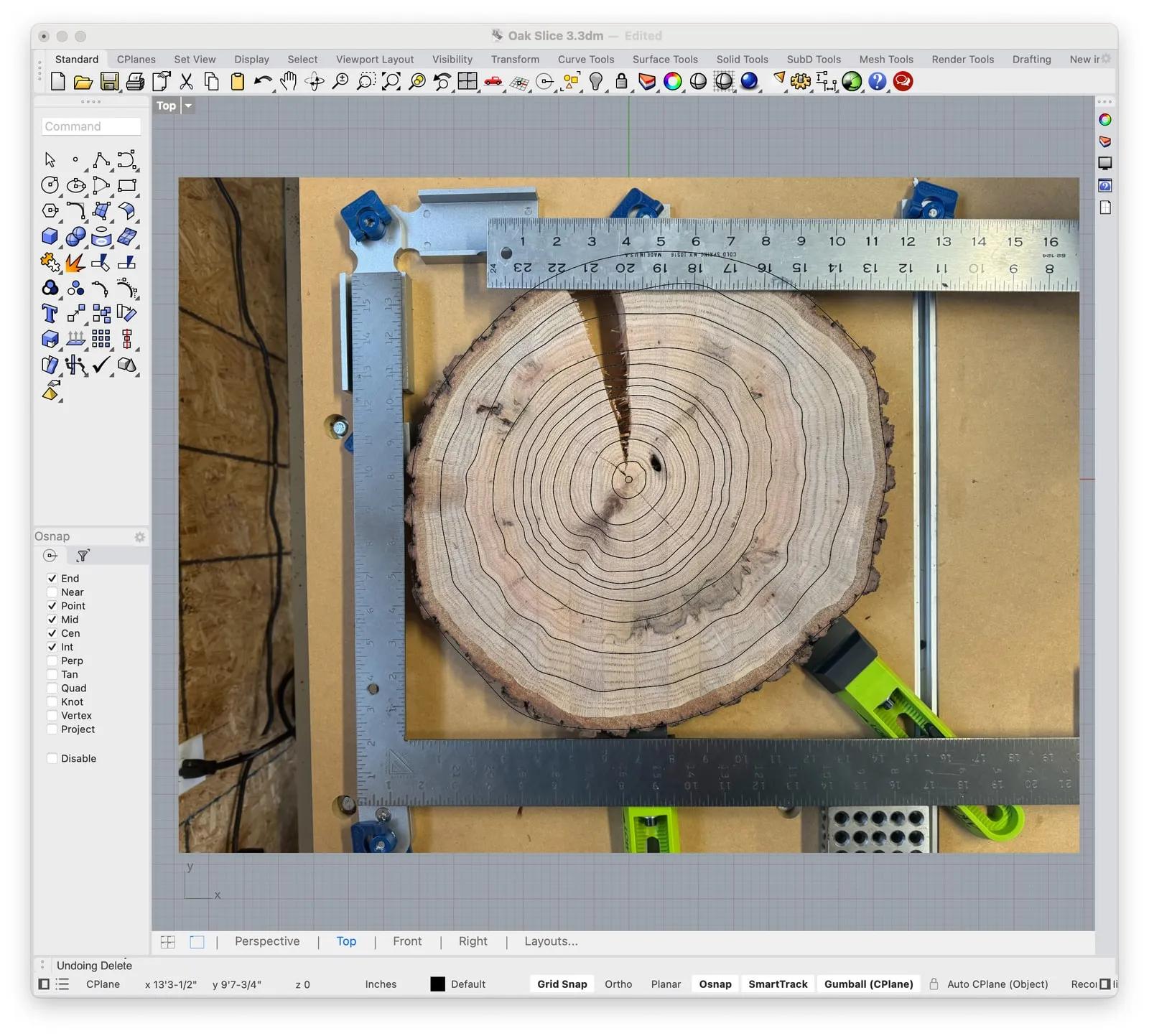
Every fifth growth ring is then traced by hand, giving a family of level curves that encode how the tree grew year by year.
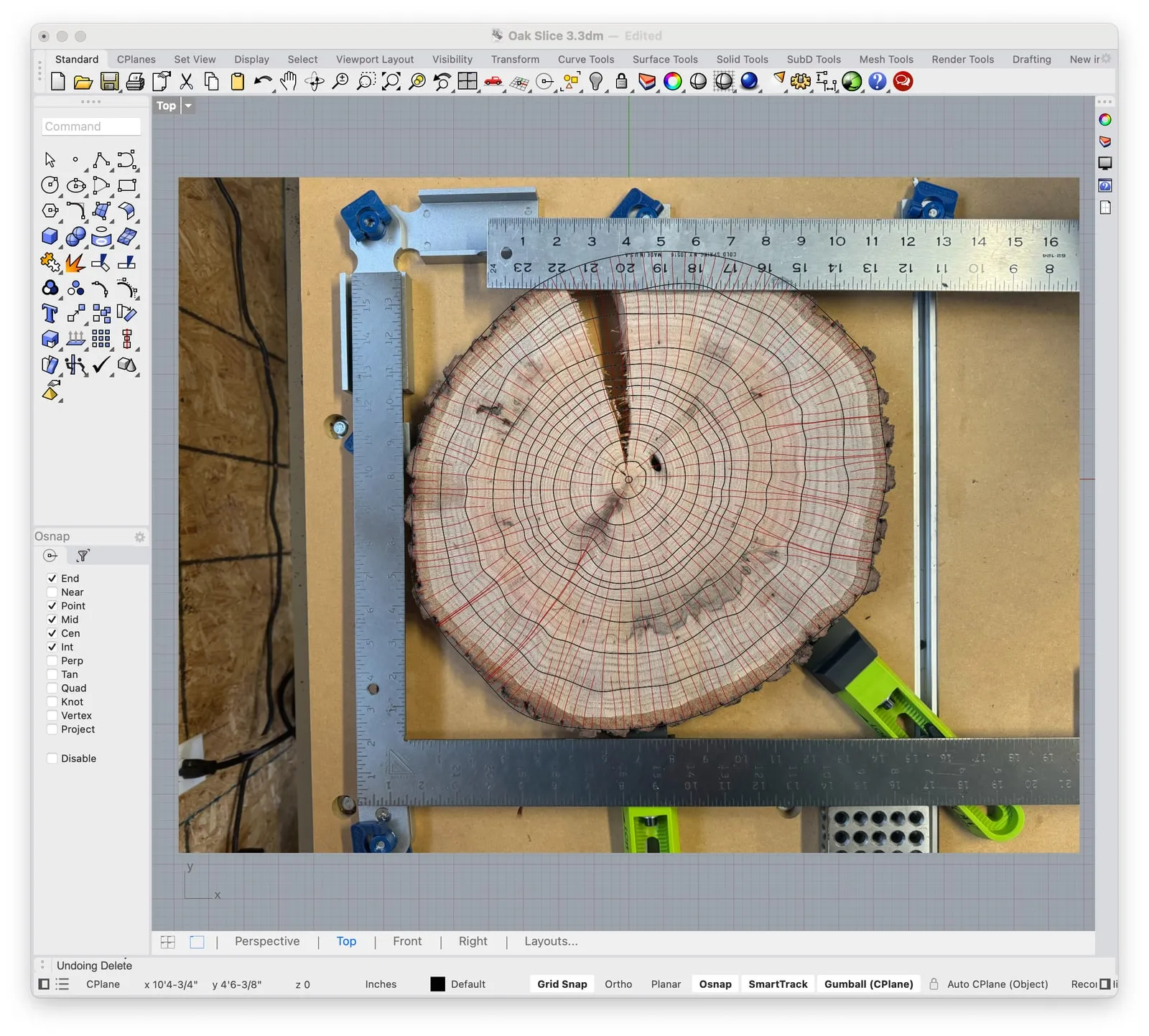
An algorithm starts at the centre and draws paths outward, always at right angles to those curves, following, in the mathematical sense, the gradient of the ring pattern. When two adjacent paths drift too far apart, a new one is inserted between them. The further from the centre a path begins, the deeper it will be cut.
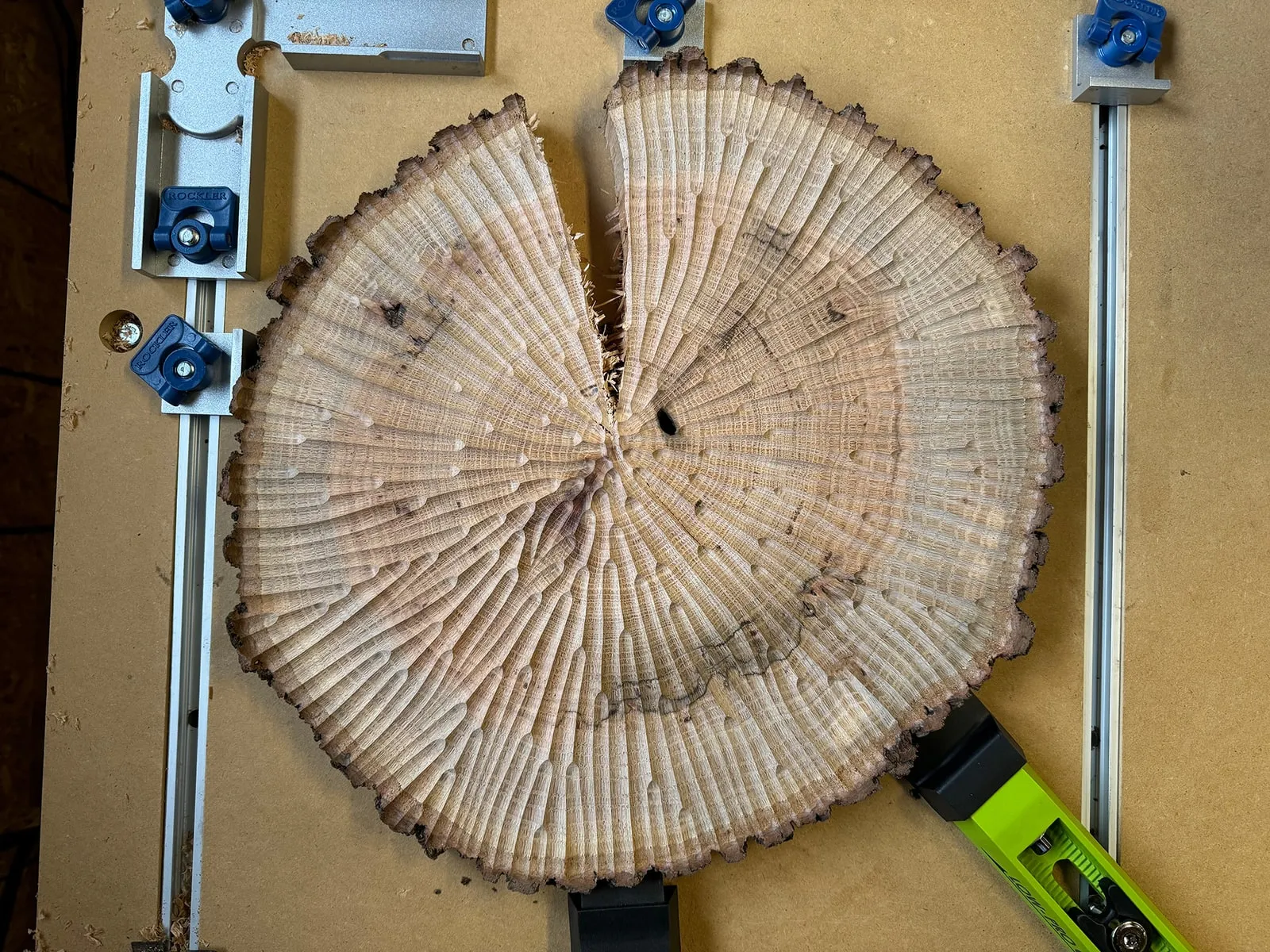
Those paths go back into the CNC, which cuts the same piece of wood it was photographed holding. Cutting at right angles to the grain is both the mathematically interesting direction (it is the gradient direction) and the direction in which a router cuts cleanest, allowing sharp relief steps between adjacent paths without splintering.
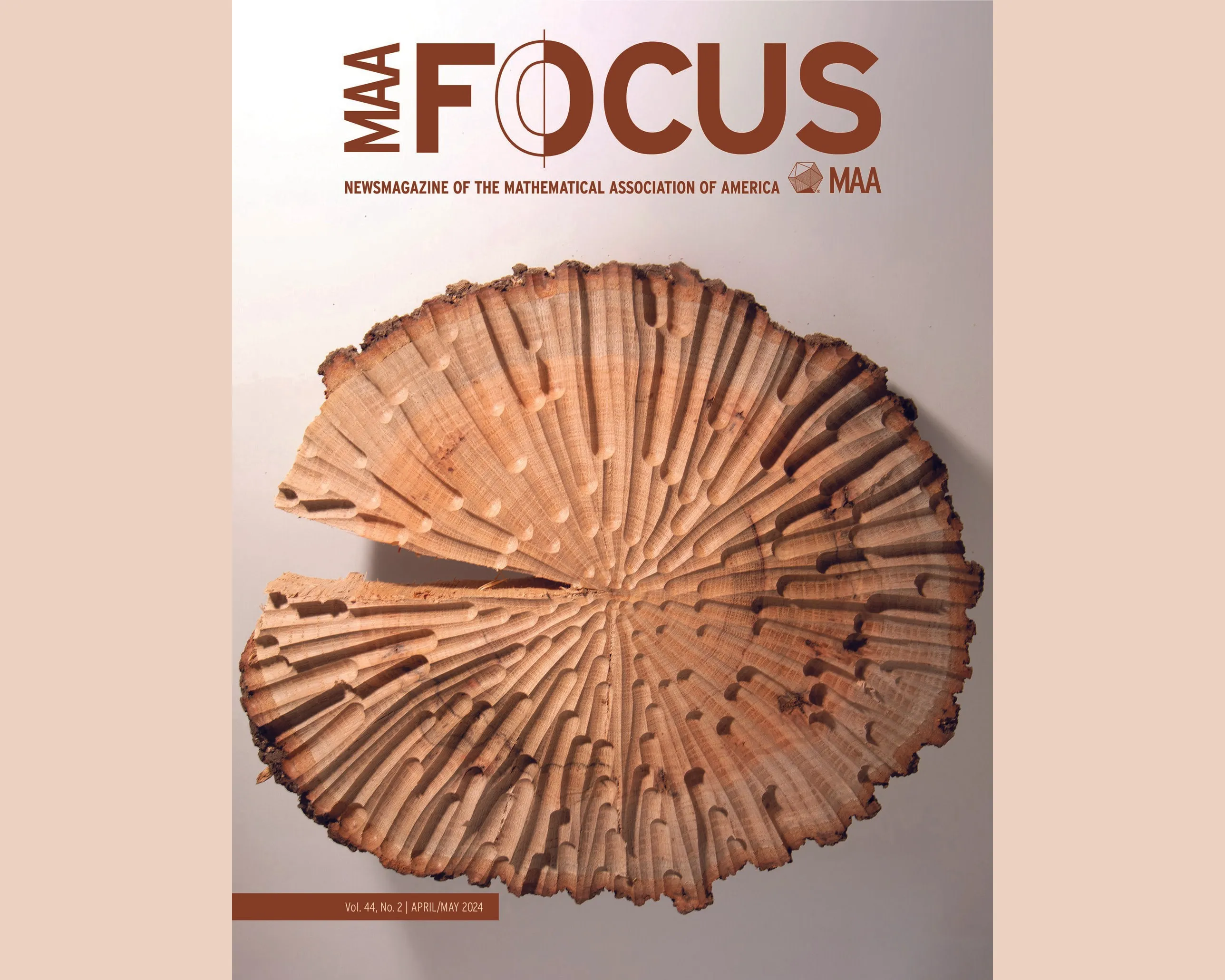
Gradient of Grain was exhibited at the JMM 2024 Art Exhibition in San Francisco. The making of the piece is described in the Art Department column of MAA Focus, Vol. 44, No. 2 (April/May 2024), where the work appeared on the cover. It was also featured in the New York Times, and the underlying ideas are developed in “Genuine Pretending: A Philosophy for Mathematics and Art”, Bridges 2025 Conference Proceedings, pp. 21–28.
The image below is a maquette: an earlier carved block that was the proof of concept for the idea, before the full registration and path-generation workflow was developed.
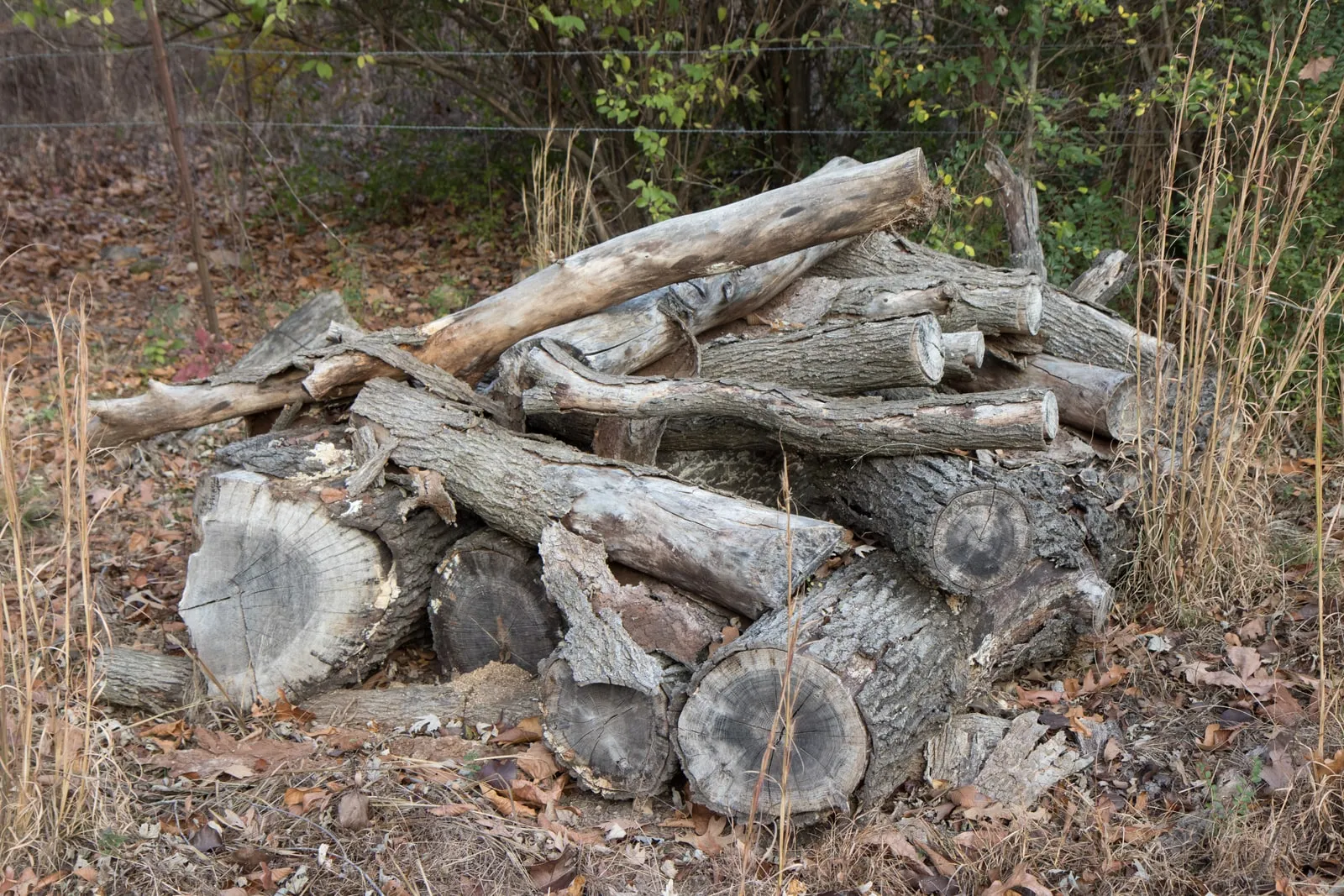
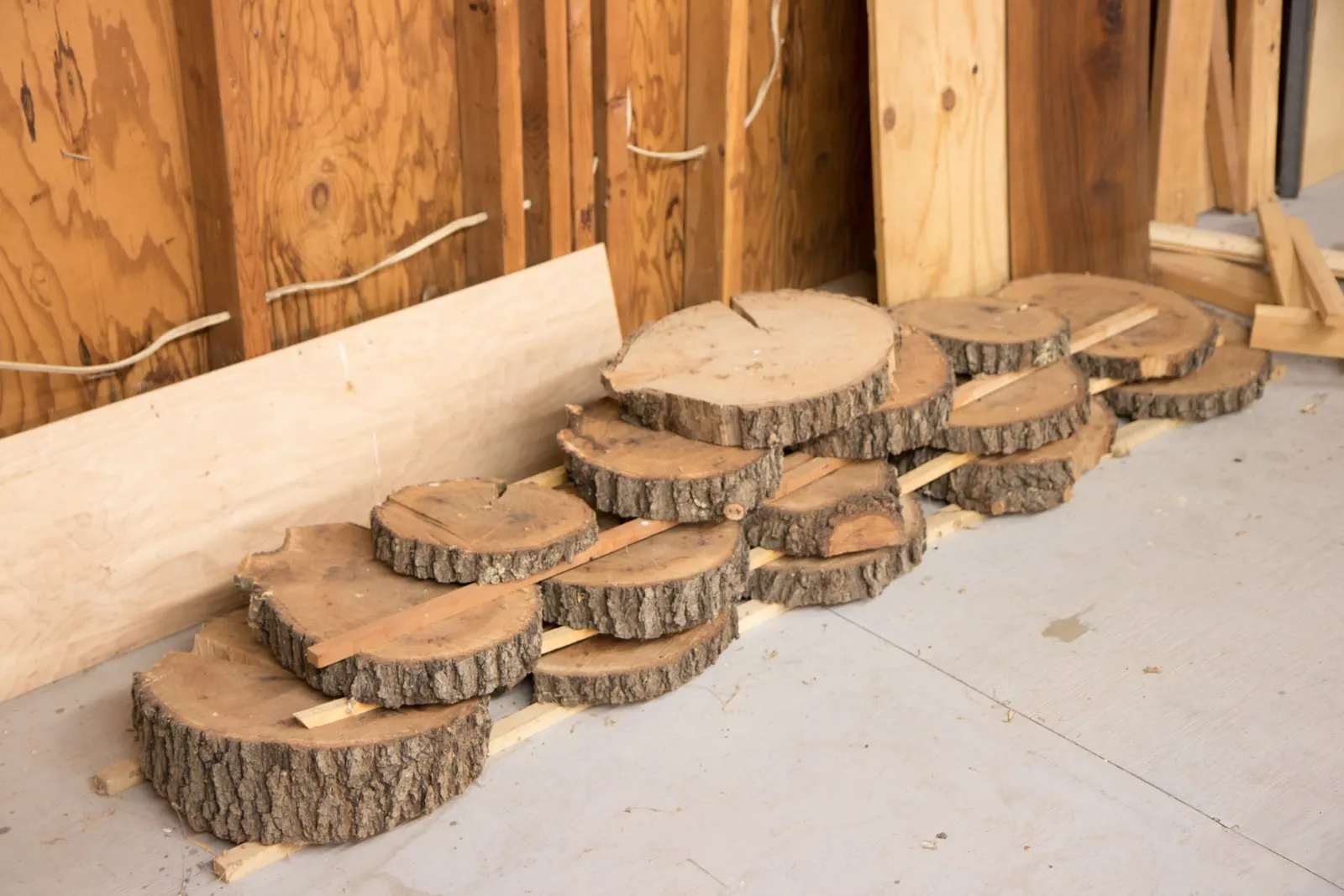
The wood for the series comes from a tree on my own land that I helped fell. The slices are milled and carved less than a hundred feet from where the tree grew.
Coverage: The New York Times — Every Artist Has a Favorite Subject. For Some, That’s Math. (2025)