Building Sculpture System 5
From Polydron prototypes and a CNC router at Fab Lab Iceland to a night installation on the Eldfell lava field, and a second build at the Newcastle Maker Faire.
The first question was: what shape should it be?
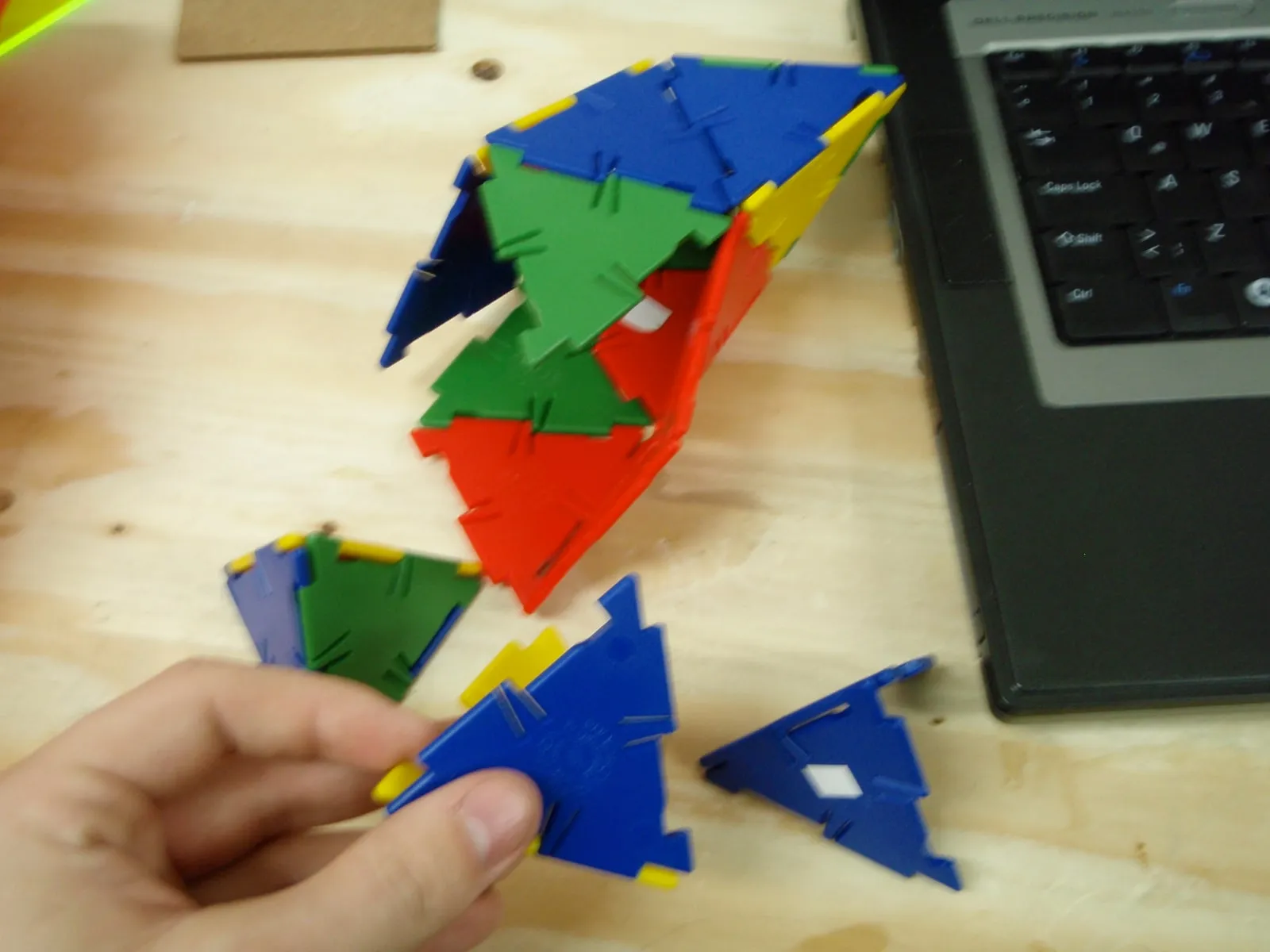
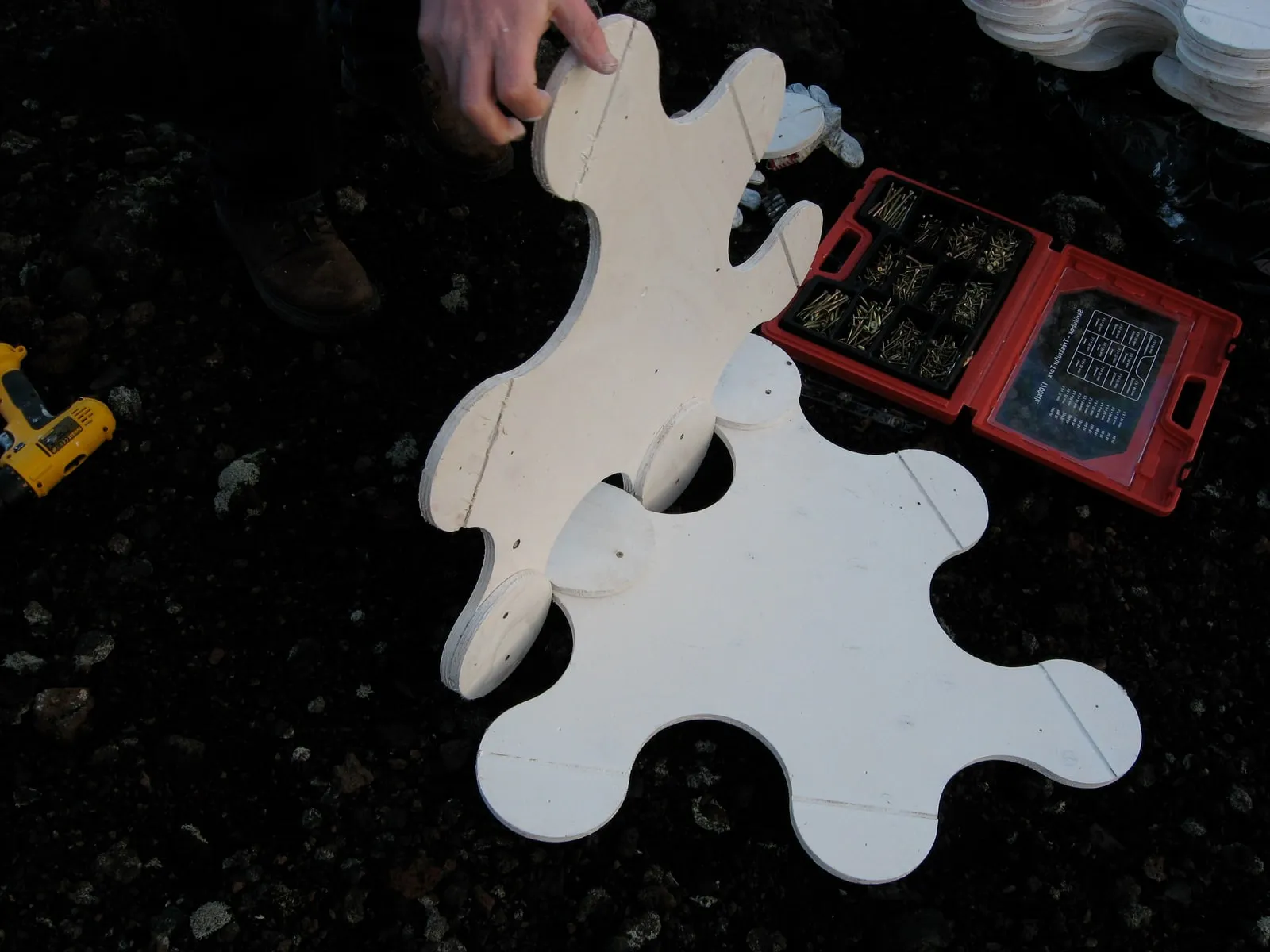
At Fab Lab Iceland on Heimaey we spread Polydron pieces across a table (small plastic triangles that hinge together the same way the full-scale system does) and asked the children and young people who would be building the sculpture to design it. Each piece is a loose triangle; its edges carry a ring of connector discs that interleave with those of its neighbours, locked by a single metal rod. The geometry is open: the form only emerges from what closes up.
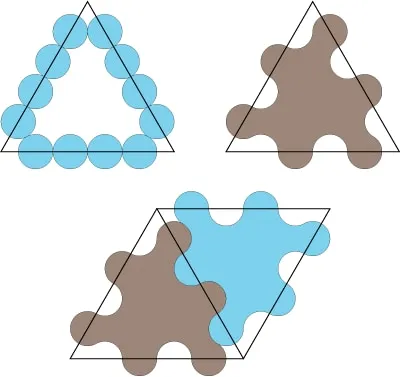
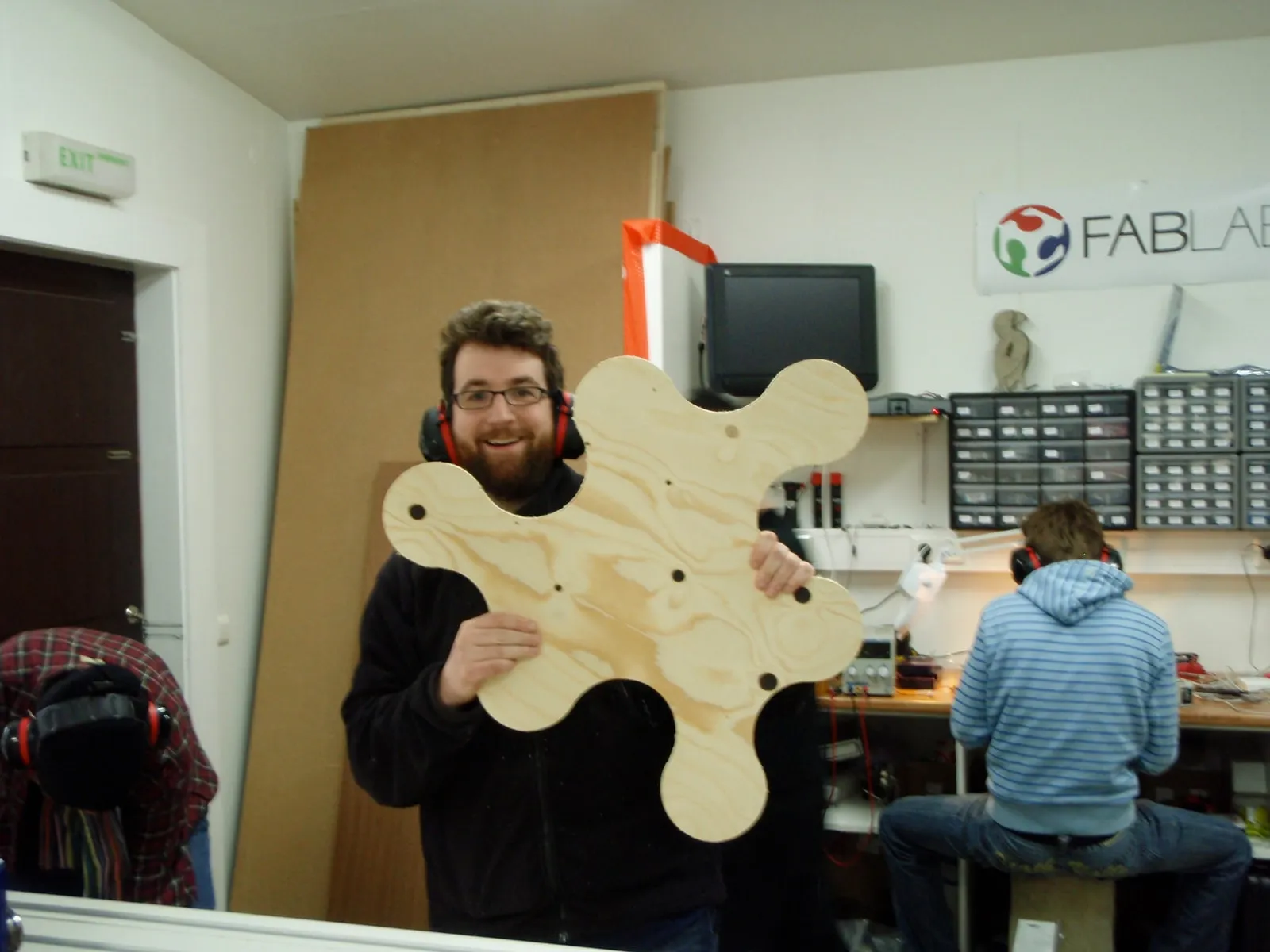
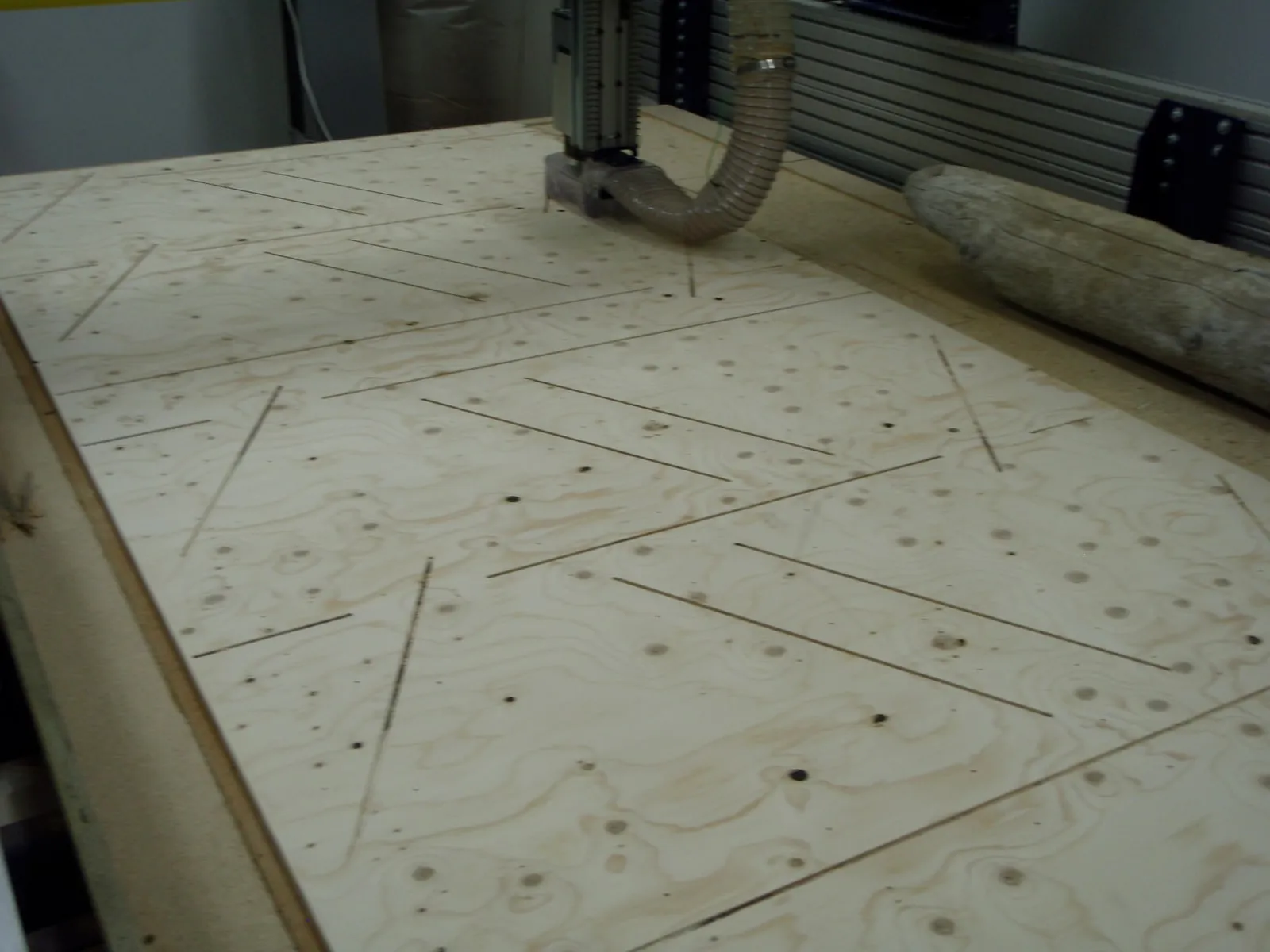
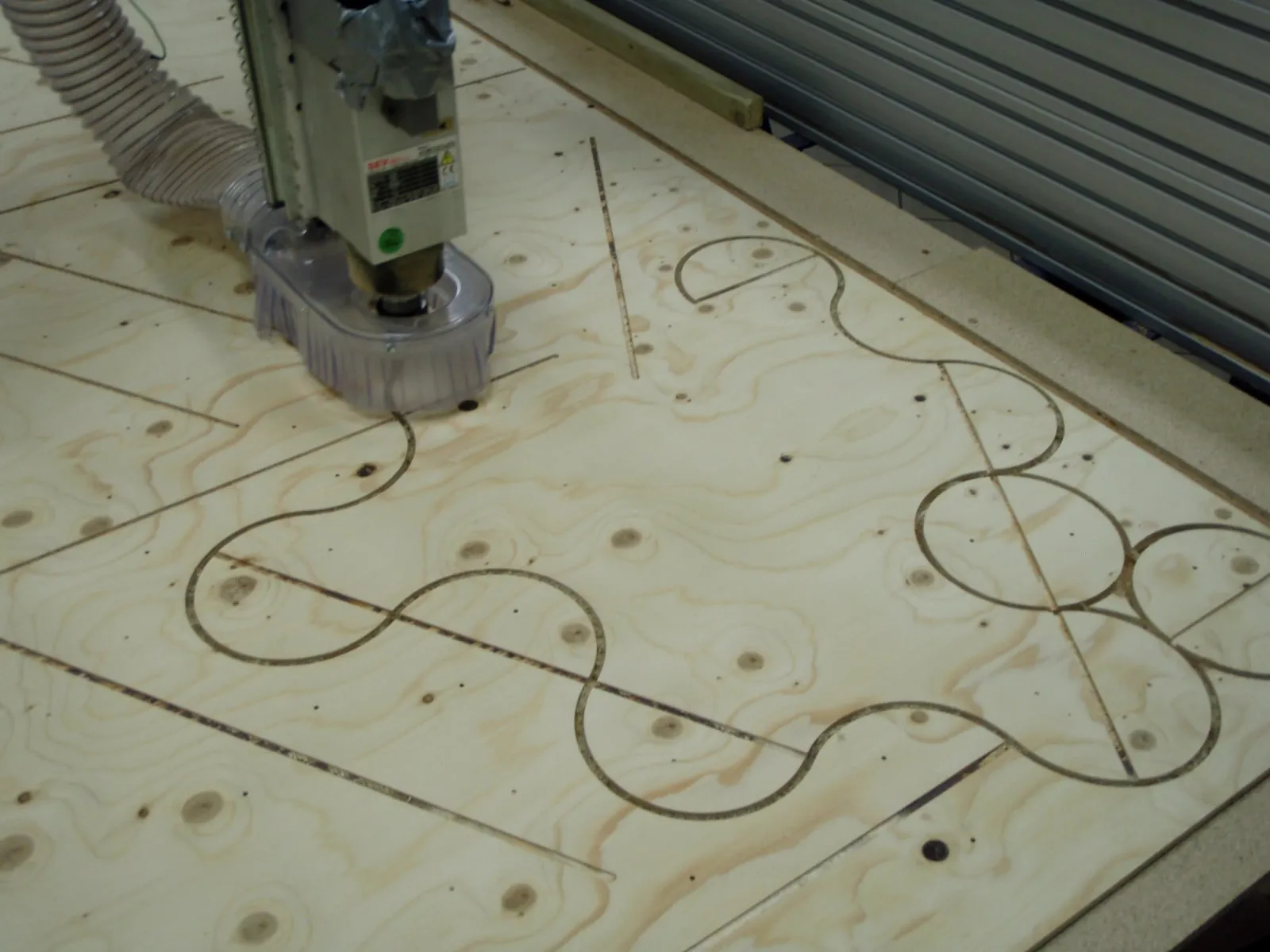
Once a form was agreed, the CNC router took over. Fab Lab Iceland’s ShopBot cut the twenty pieces from sheets of birch plywood, routing the curved outlines and drilling the precise holes for the connector discs in a single pass. The sawdust settled across the lab floor as the shapes emerged.
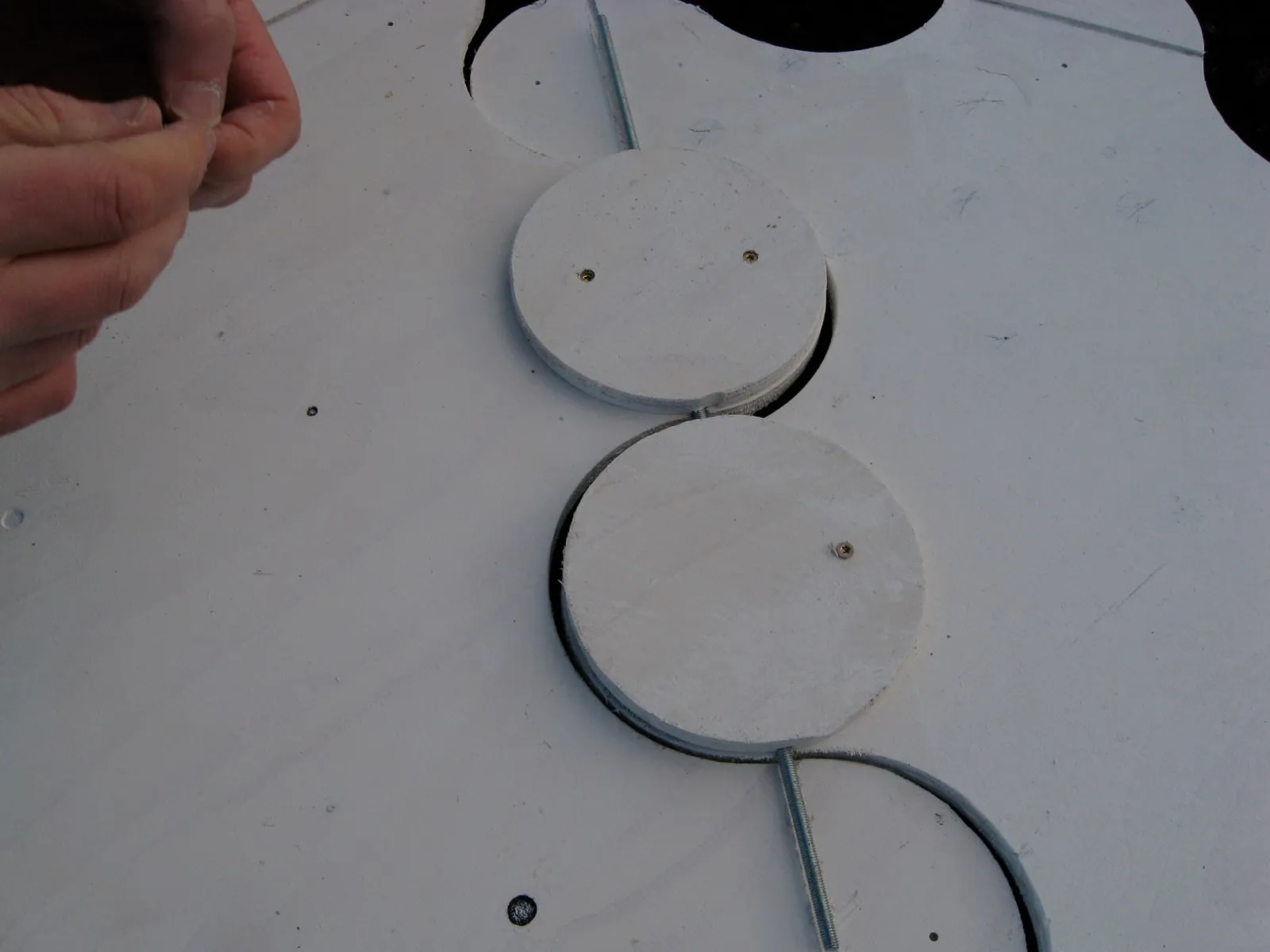
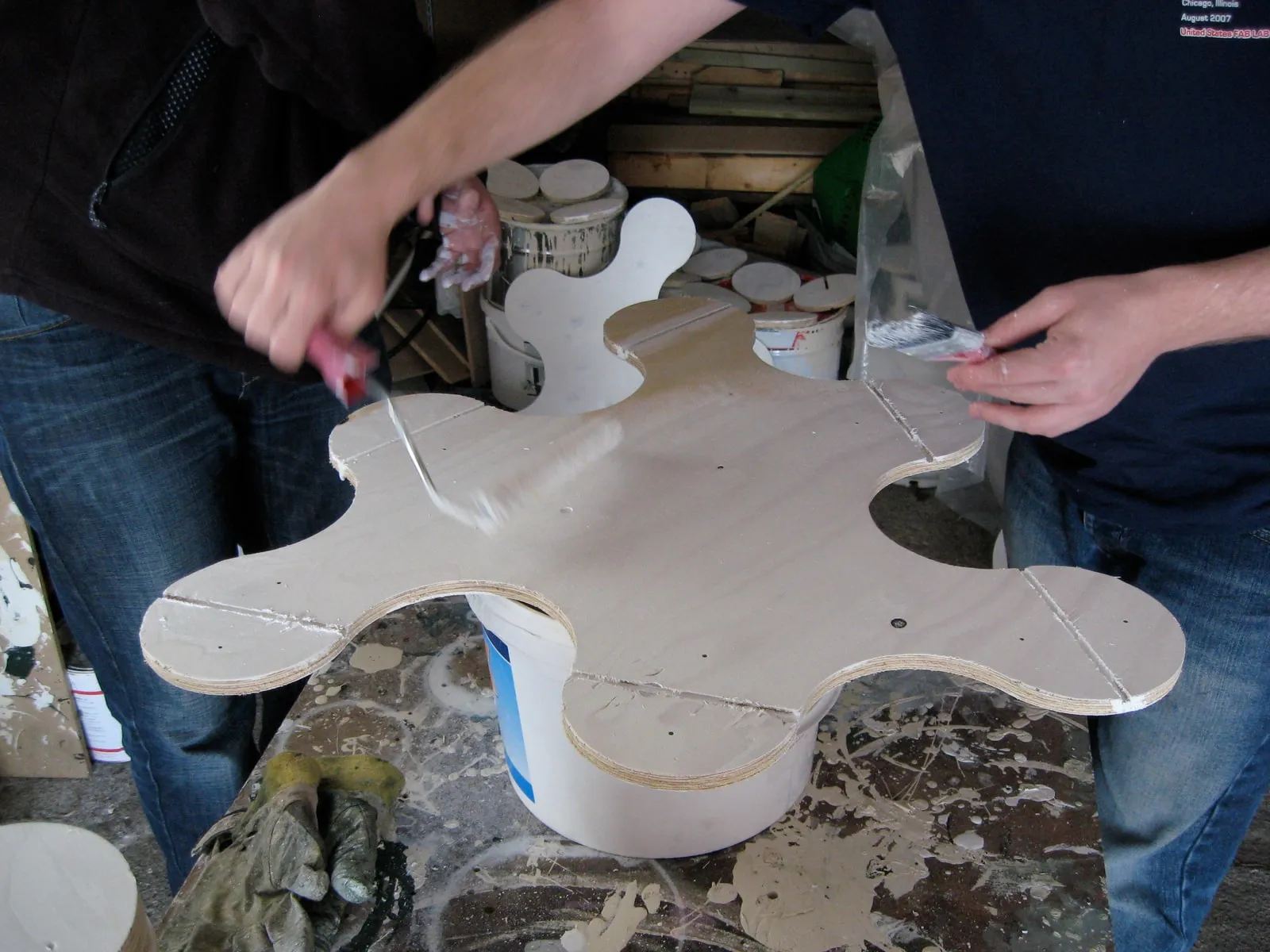
After cutting came sanding and painting. We primed each piece white, which turned out to matter: against the black lava field of Eldfell, the white sculpture is visible from a long way off.
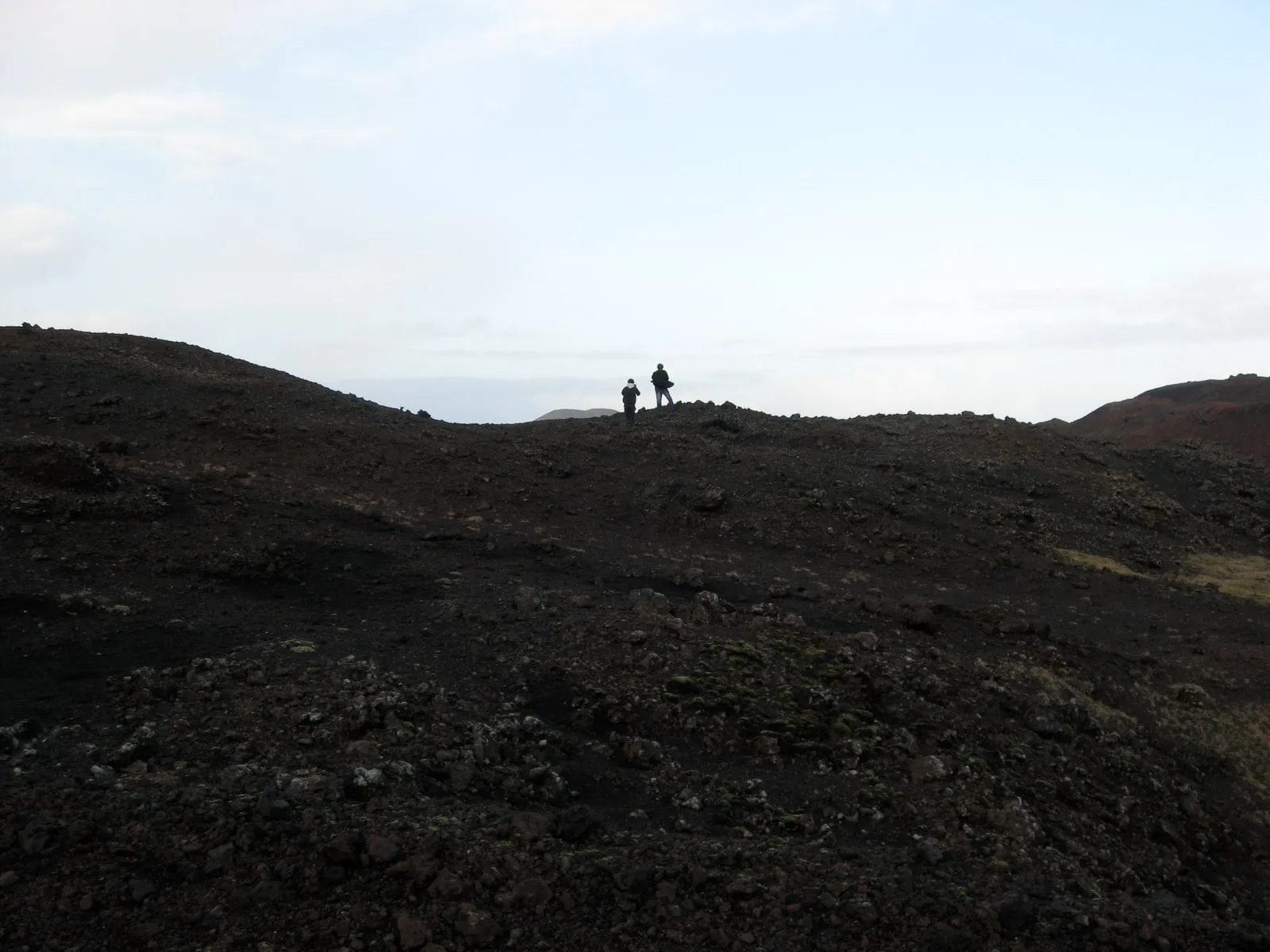
We carried the pieces out to the lava field in the late afternoon. Eldfell erupted in 1973, burying a third of Heimaey under new rock; the ground we stood on was thirty-six years old. We laid the pieces flat, connected the first joints, and let the form find itself, adding pieces at the open edges, threading the metal rods through the interleaved discs, adjusting angles by feel. The mathematical condition is that the surface closes: that the last piece fits back against the first. You can sense when the angles are running wrong before you can calculate it.
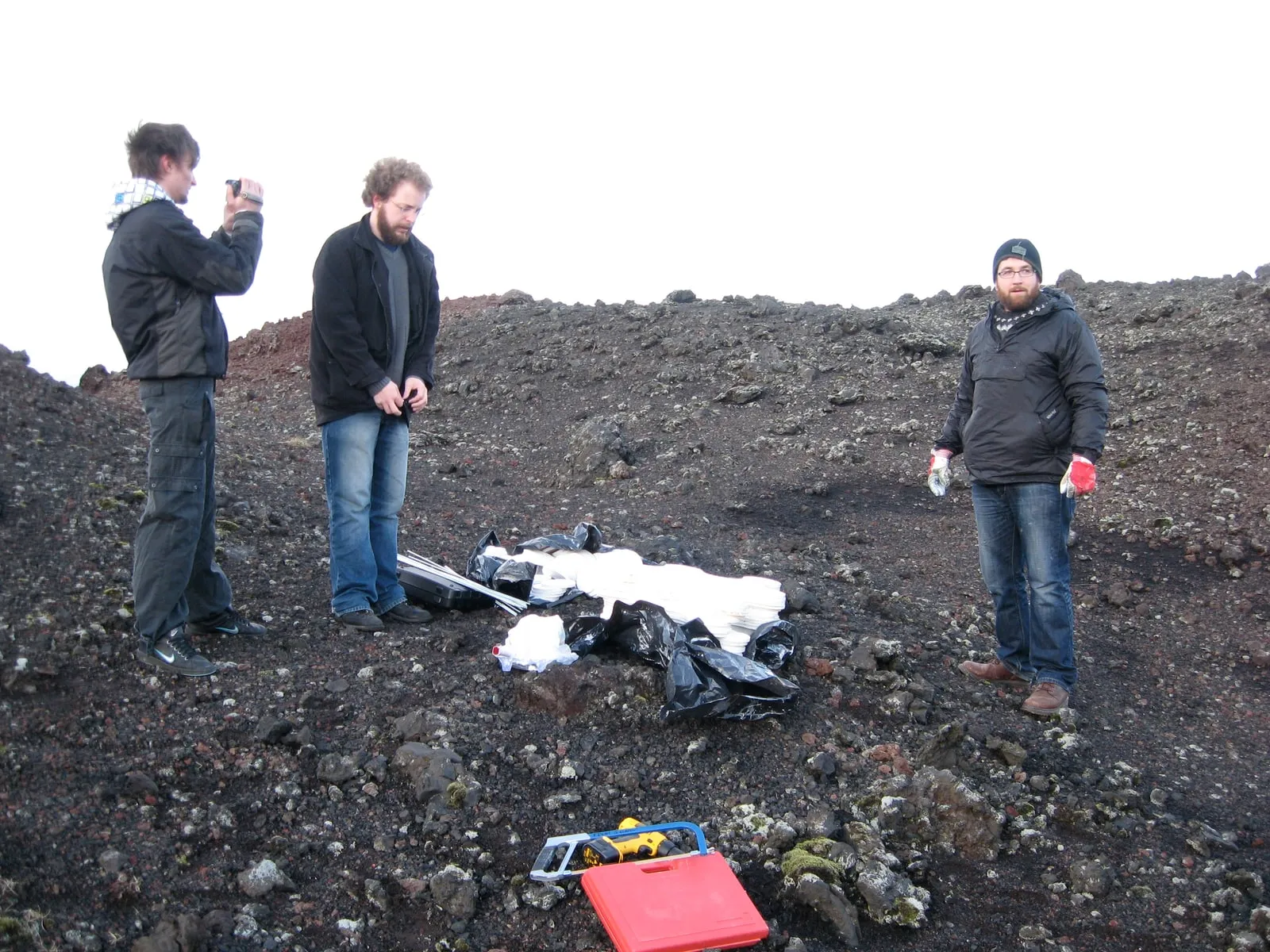
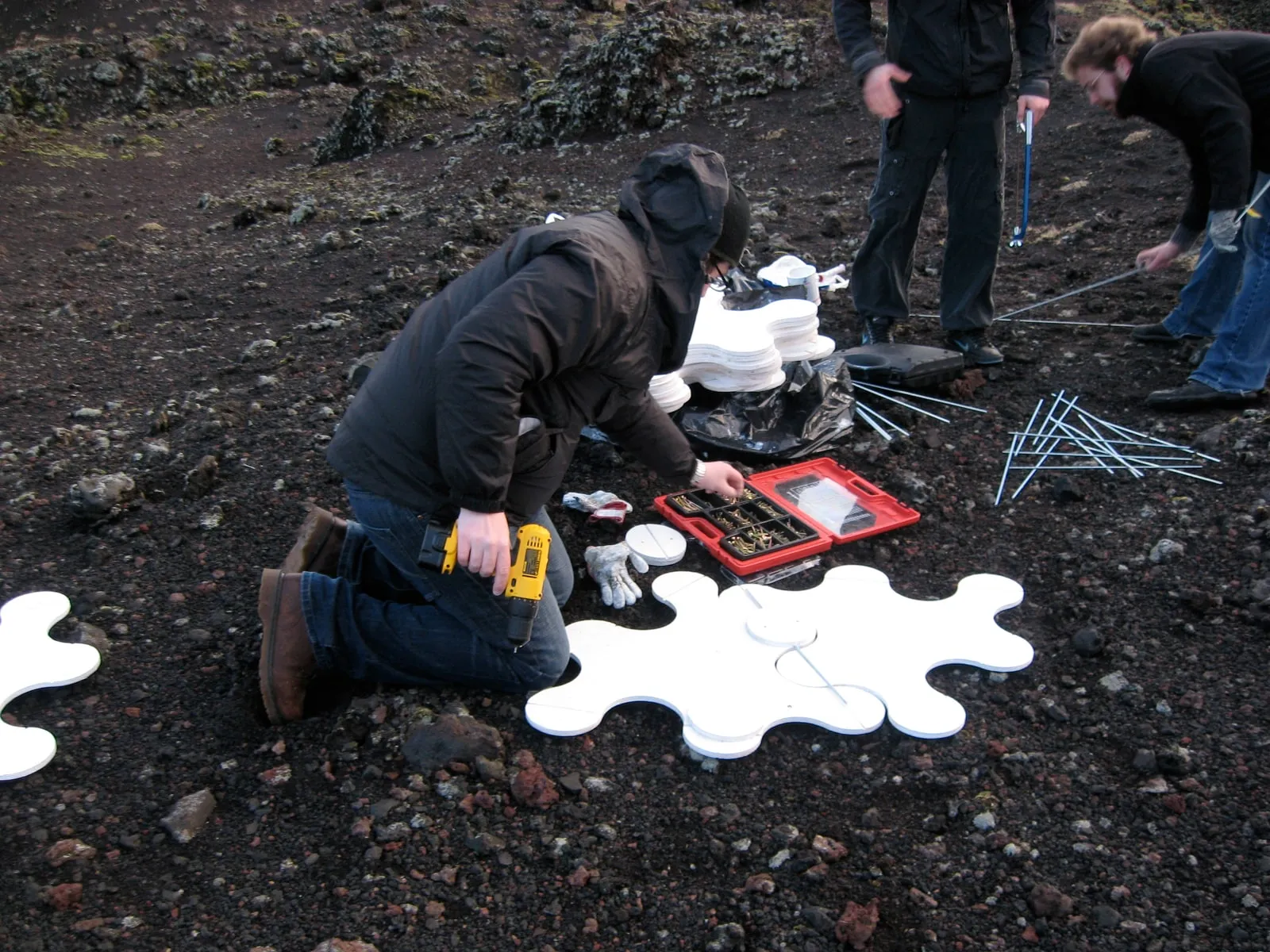
By the time the sculpture was finished it was dark. The white form glowed against the lava as if lit from inside.
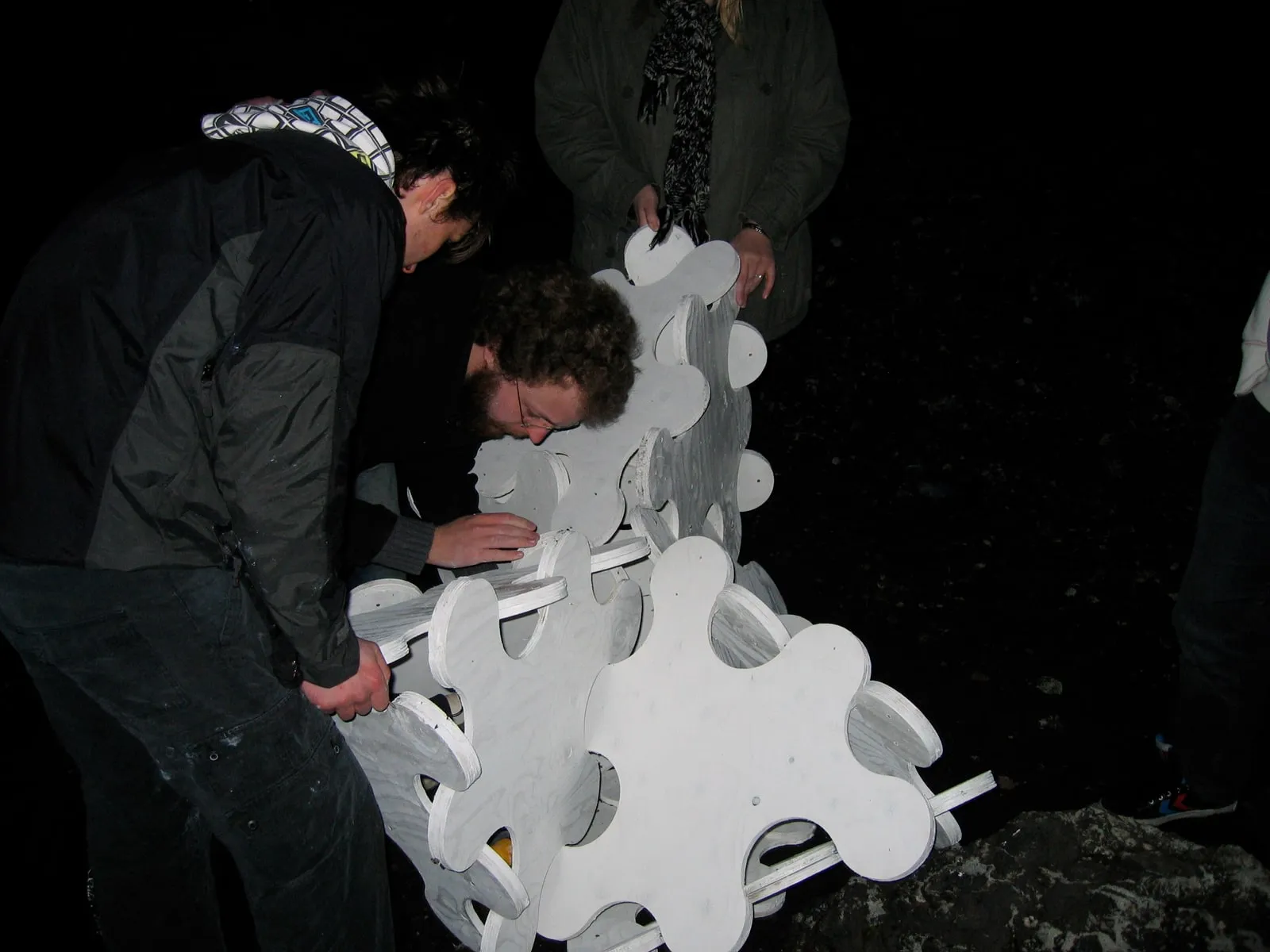
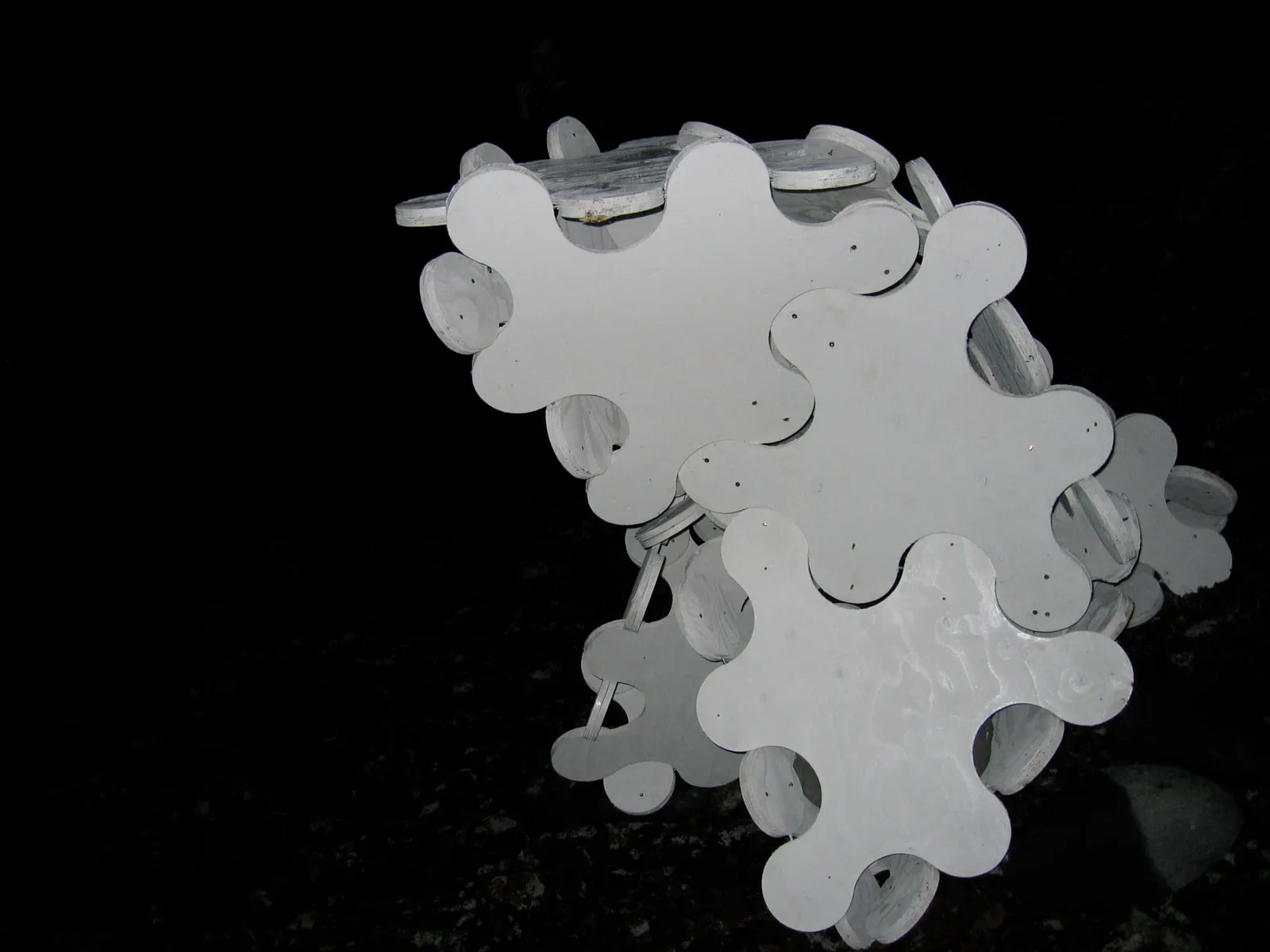
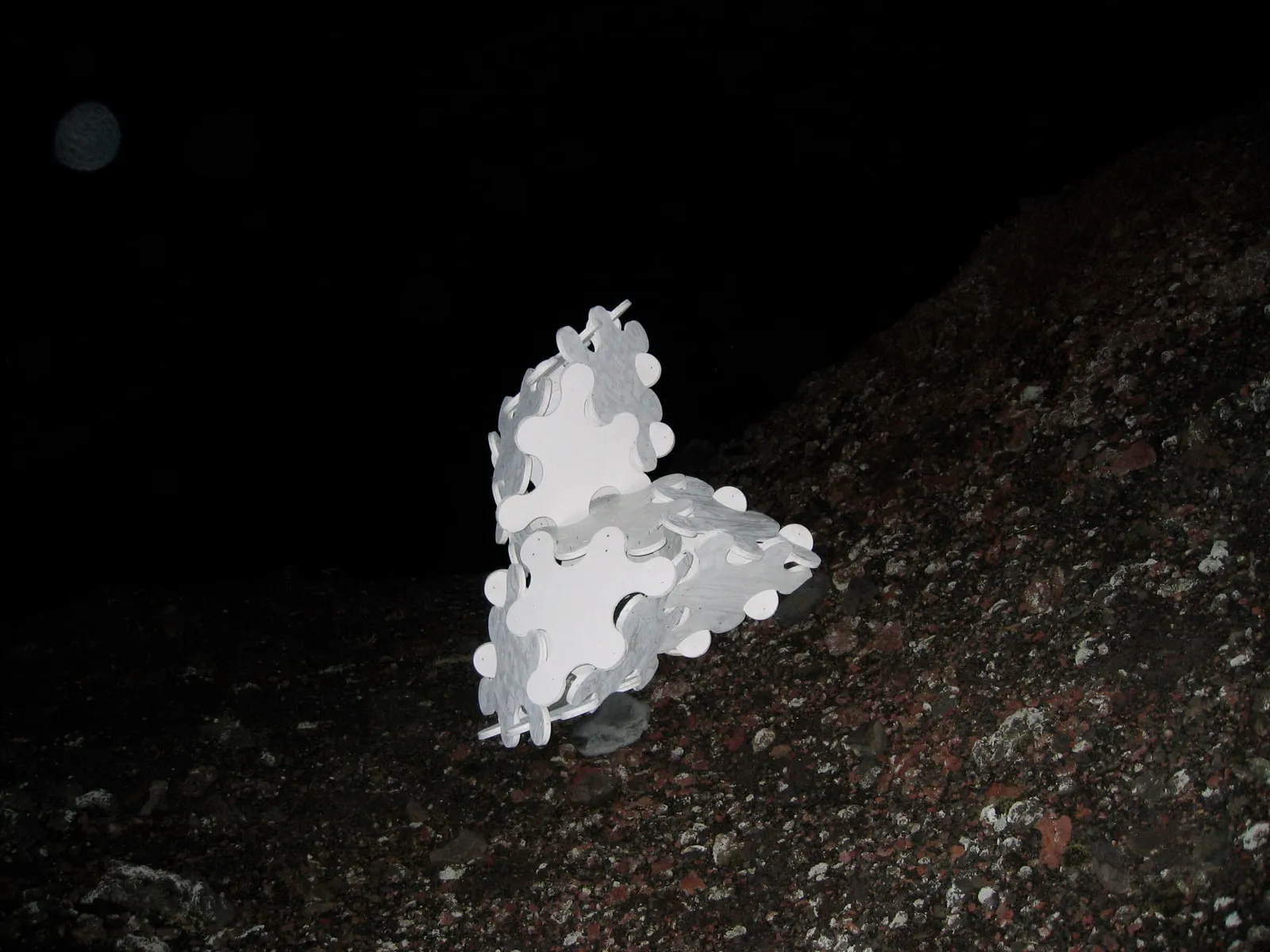
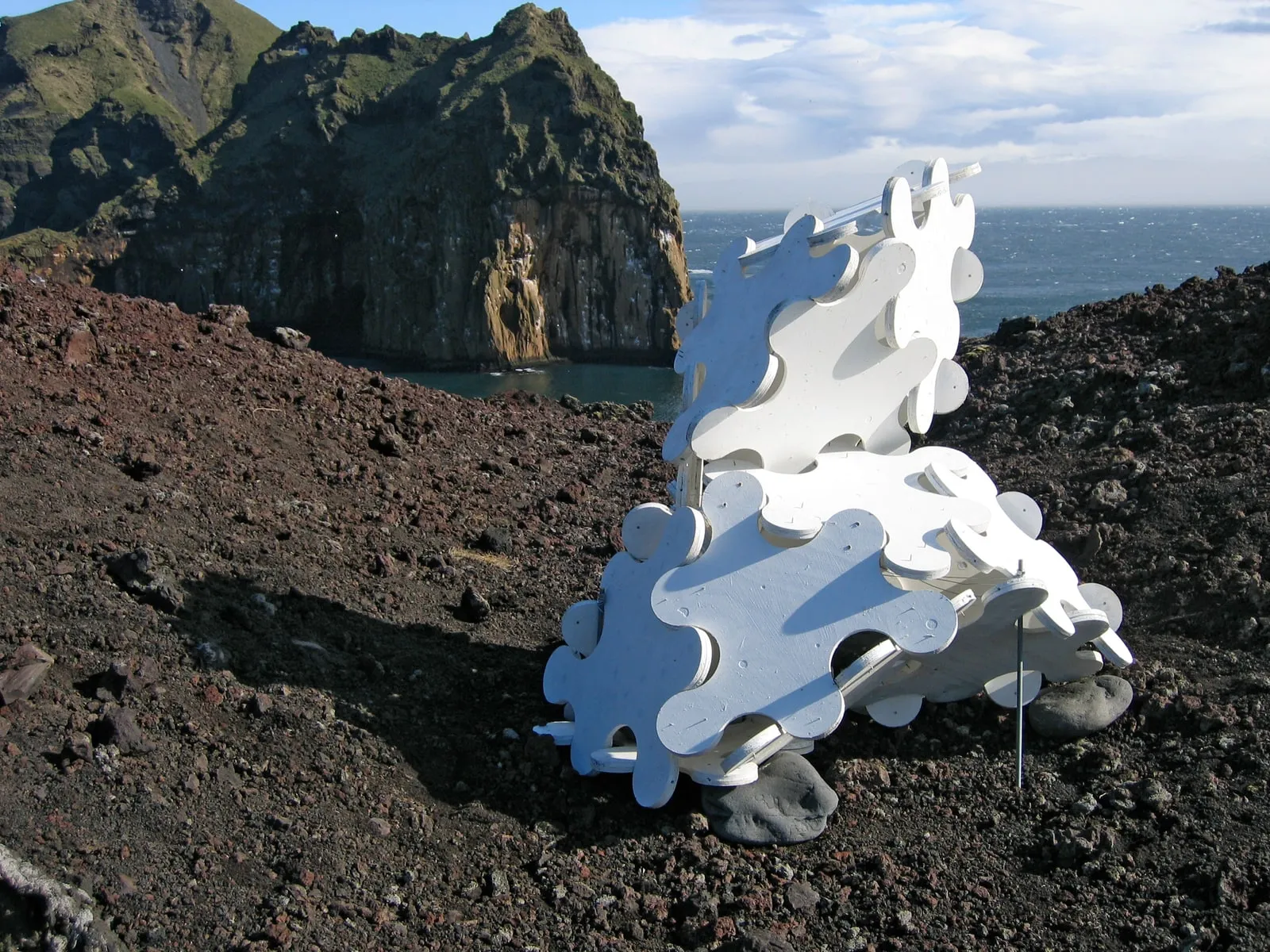
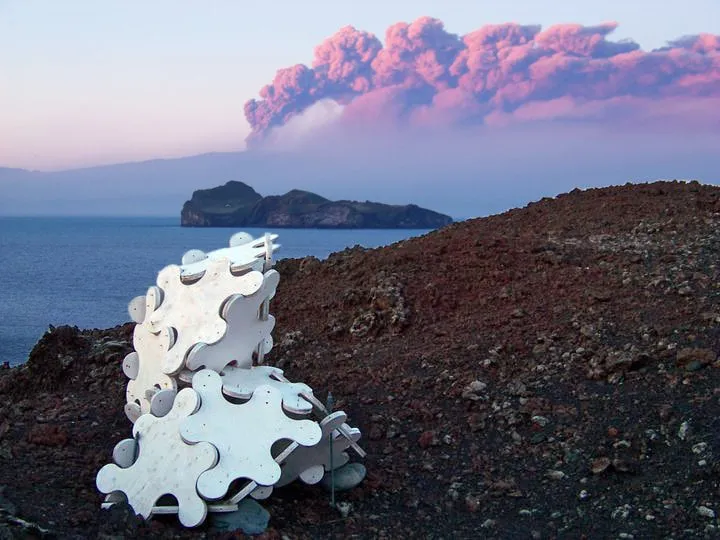
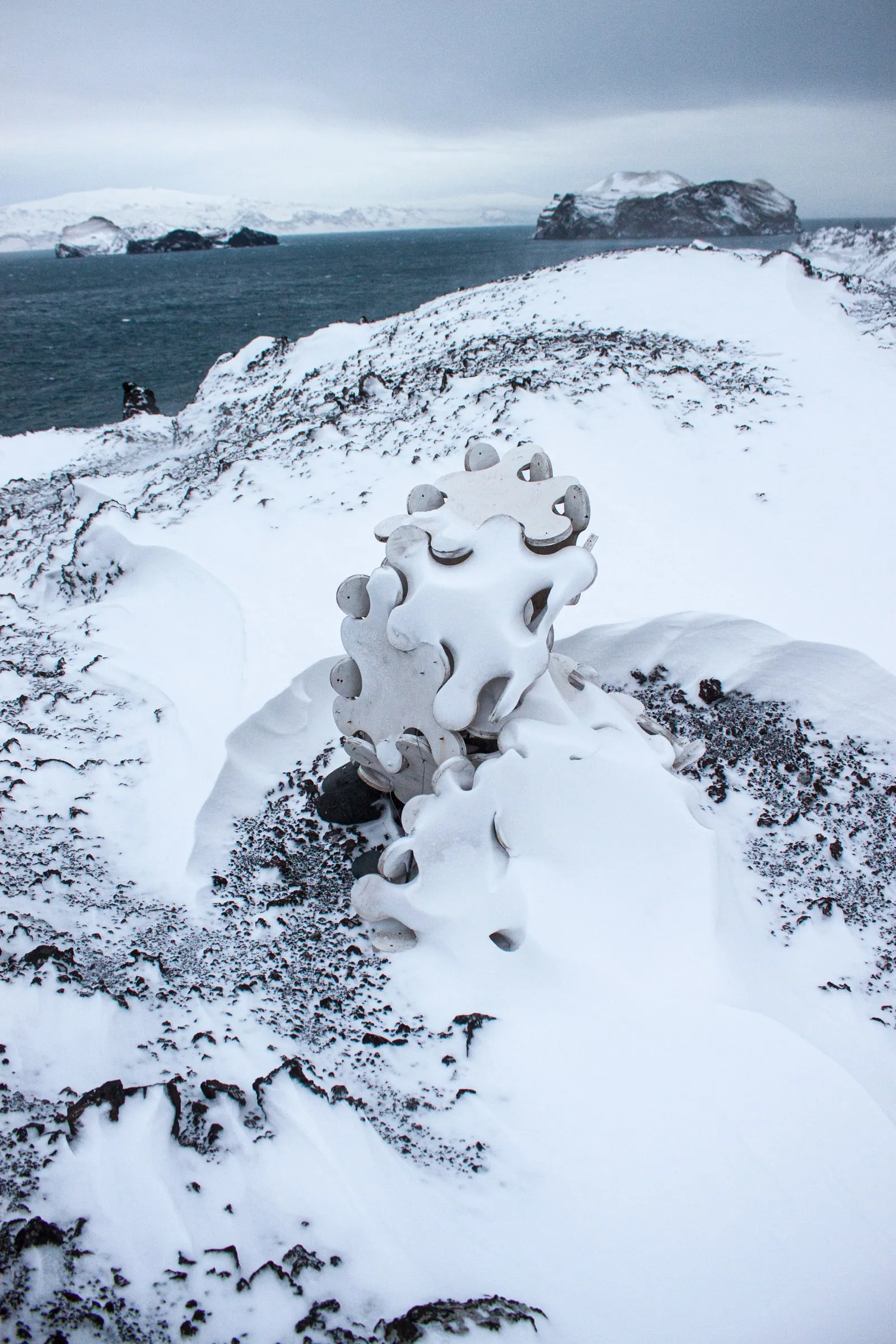
It stayed on the lava field through the Icelandic year. Through the long summer: low sun, the basalt cliffs of Heimaey behind, the North Atlantic beyond. Through the winter, when snow filled the connector discs and turned the whole piece into a white drift. In May 2010 the Eyjafjallajökull volcano erupted on the mainland, and the sculpture was photographed at sunset with the ash cloud rising across the water behind it. A commenter noted that the shape of the plume echoed the form of the sculpture: mathematics and geology briefly rhyming.
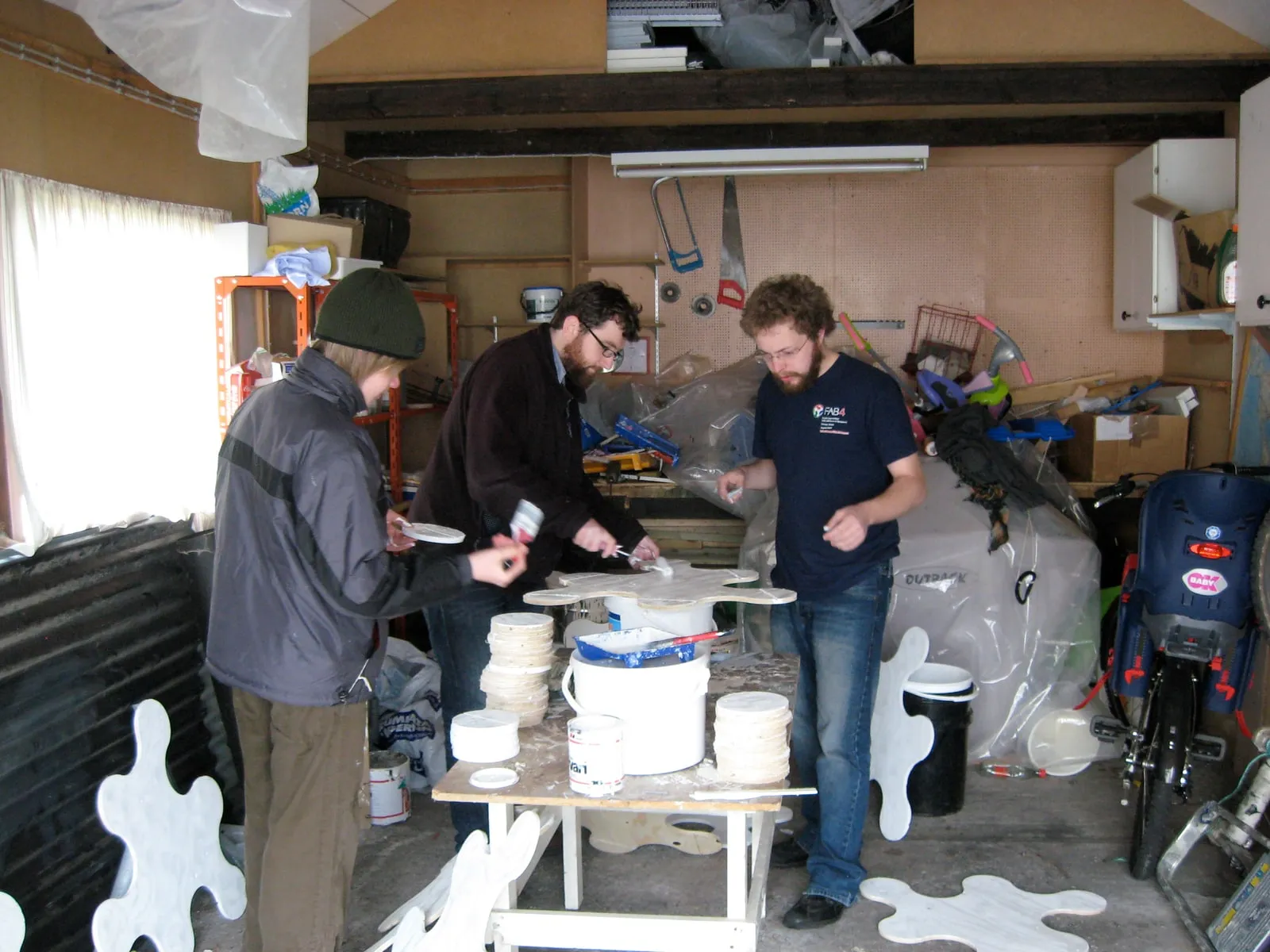
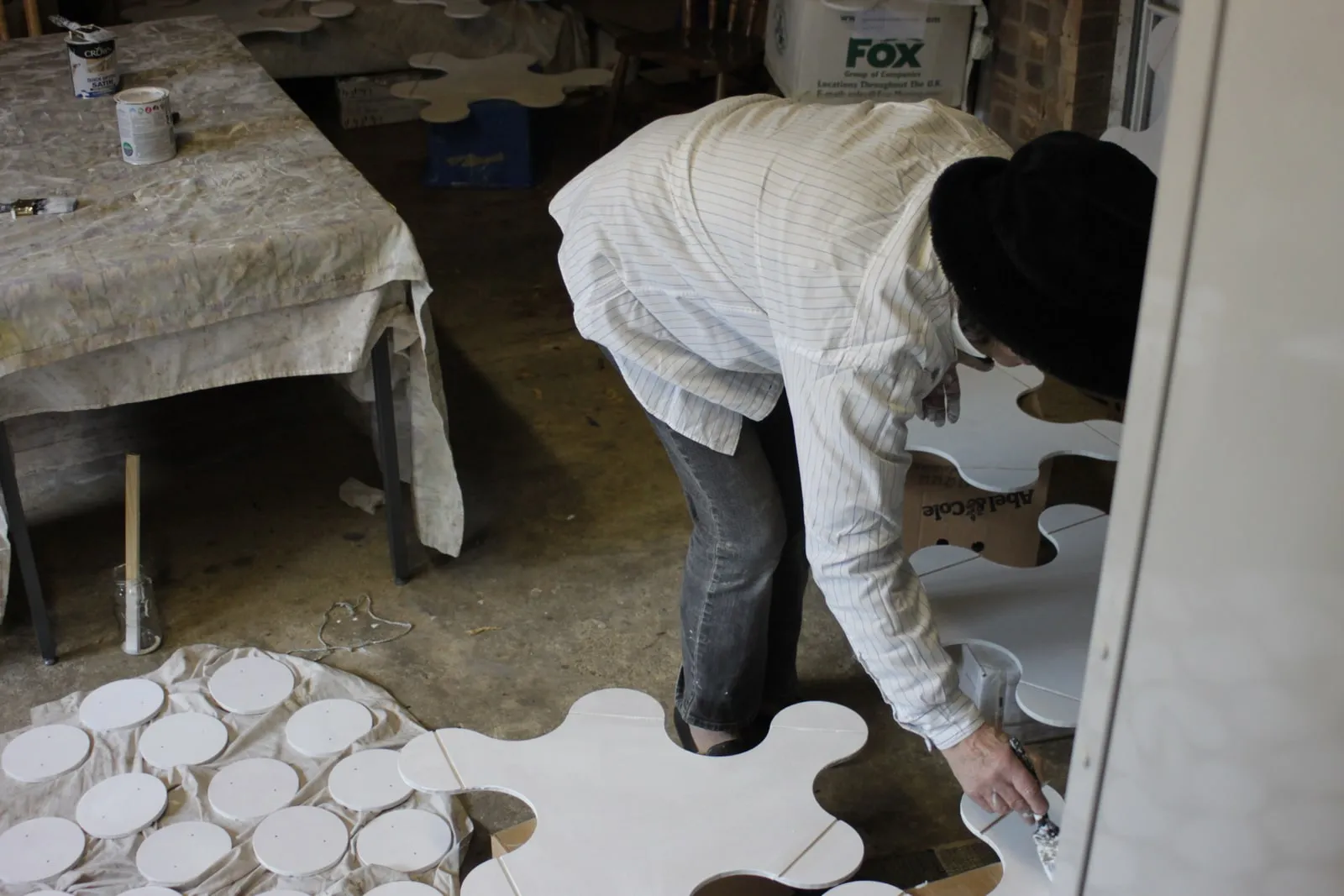
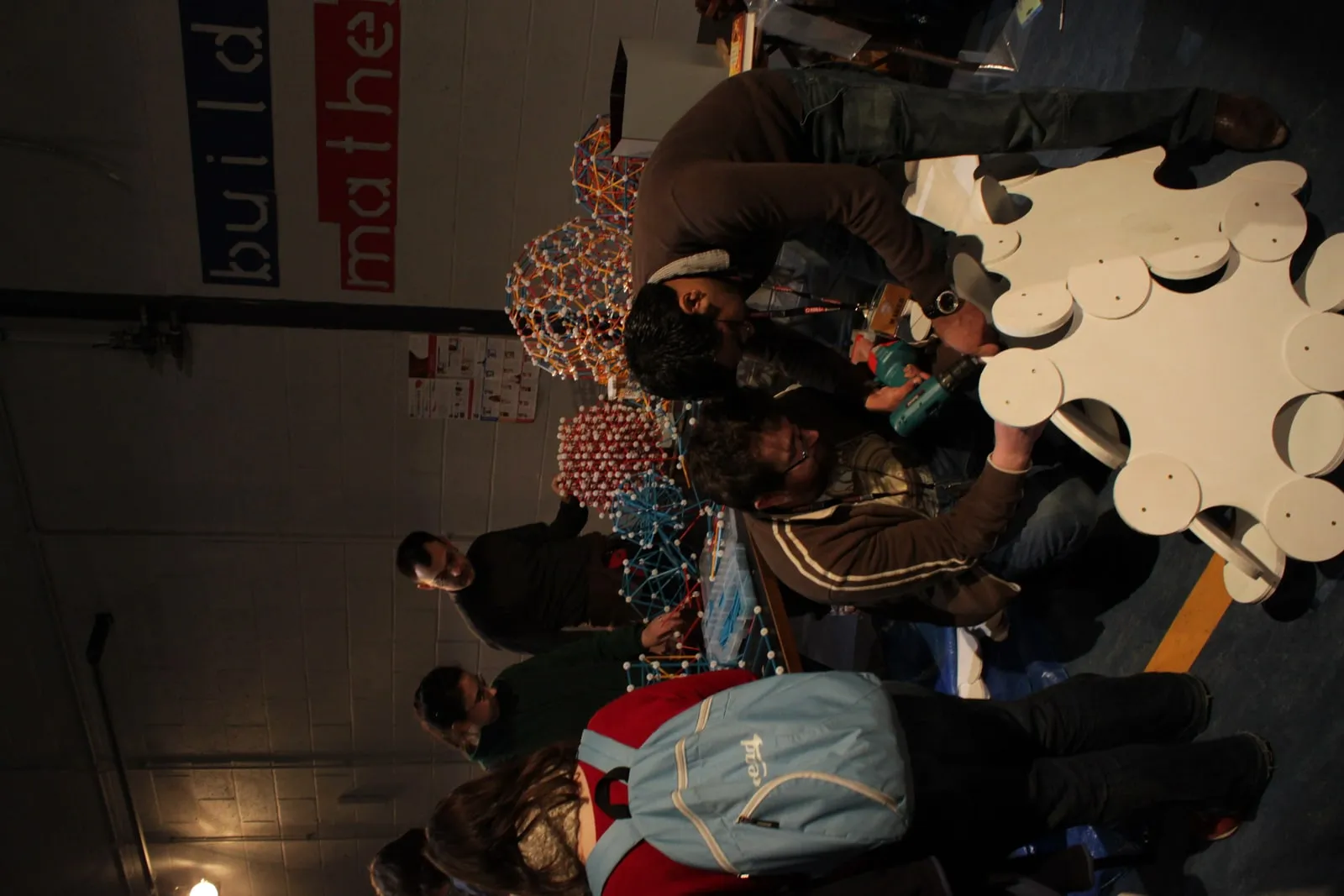
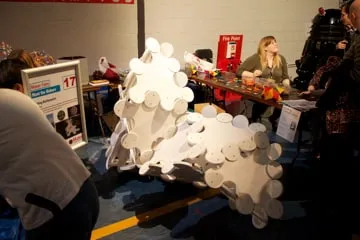
The second build was at the Newcastle Maker Faire in March 2010. We painted the pieces in a garage in the days before, then drove them north and assembled the sculpture live over two days on the Faire floor, with visitors watching and sometimes helping to thread the rods and close the final joints. At the end of the weekend it was loaded onto a van and shipped to the JamJar collective in Leeds.
Sources
The original blog posts documenting the project as it happened:
- Building Mathematics: Sculpture System No. 5, April 2009. The build at Fab Lab Iceland and the first installation on Eldfell.
- Natural and Maths Sculpture, December 2009. The sculpture through the Icelandic winter alongside wind-carved snow formations.
- Building Mathematics: The Maker Faire in Pictures, March 2010. The Newcastle build, with Faire visitors helping thread the rods.
- Under the Volcano, May 2010. The eruption photographs.
The Fab Lab Iceland wiki page for the project: Sculpture System No. 5.